
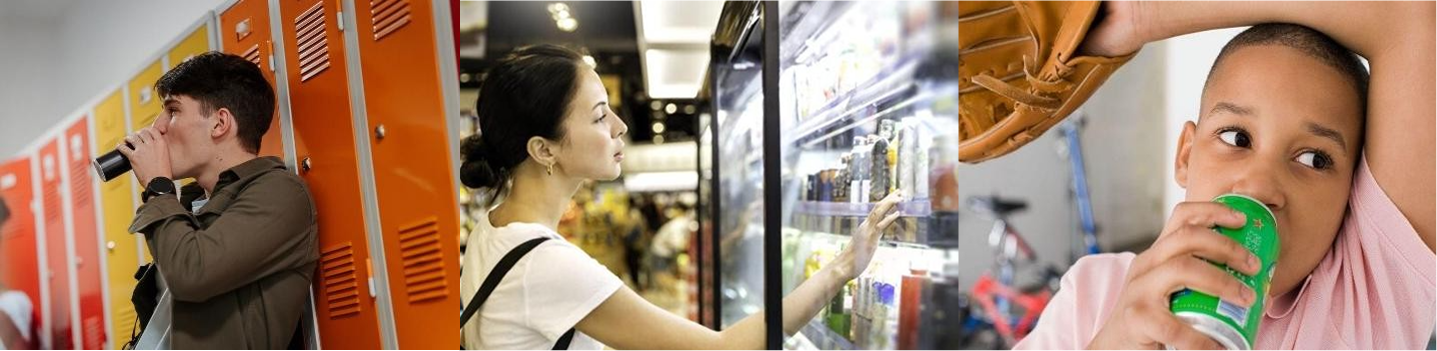

Energy drinks are everywhere—brightly colored cans, bold flavors, and marketing that directly appeals to your child or teen. Many of these drinks promise energy, focus, and performance, which can be especially appealing during busy school days or sports activities. While they may seem harmless, there is a growing concern about how energy drinks affect overall health—including your child’s teeth. One of the biggest risks we see is an increased chance of dental cavities from energy drinks.
At McMurphy Pediatric Dentistry, we want parents of the Mississippi Gulf Coast to understand why energy drinks are harmful to developing teeth and why avoiding them is one of the best ways to protect a child’s smile.
What Are Dental Caries (Cavities)?
Dental caries are areas of tooth decay caused by bacteria in the mouth. These bacteria feed on sugars from foods and drinks and produce acids. Over time, those acids weaken and break down the outer layer of the tooth (enamel), creating a cavity. If not treated, cavities can grow deeper, causing pain, infection, and even damage to teeth.
Why Energy Drinks Are Especially Harmful to Teeth
Energy drinks are particularly damaging because they combine high sugar content with strong acids.
The sugar feeds cavity-causing bacteria, while the acids directly weaken tooth enamel. This double effect makes it easier for cavities to form and progress more quickly when children drink energy drinks..
Even sugar-free energy drinks can still be harmful because they are often highly acidic, which can erode enamel over time.
Why Your Child or Teen Is More Vulnerable To Energy Drink Damage
Your child’s teeth are still developing, which means their enamel may not be as strong or
resistant as an adult. Acidic beverages can soften young enamel more quickly, accelerating wear and increasing cavity risk.
Orthodontic appliances such as braces and retainers create additional areas where acidic liquids can linger, increasing the chance of localized enamel damage and decay.
Teens are also more likely to consume energy drinks frequently, especially during school, sports, or social activities. Habits like sipping throughout the day, rather than drinking quickly, increase how long the teeth are exposed to harmful sugars and acids. Additionally, busy schedules can sometimes lead to missed brushing or less consistent oral hygiene, compounding the risk.
Frequency Matters More Than Amount
One of the most important things to understand is that how often your child drinks an energy drink matters more than how strong the drink is.
When your child takes small sips over a long period, their teeth are repeatedly exposed to acid and sugar. Each sip starts a new acid attack on the teeth.
This constant exposure prevents the mouth from naturally recovering and allows enamel to stay in a weakened state—making cavities much more likely to form.
Better Choices for Energy and Hydration
 Energy drinks are often marketed as sports or performance beverages which can cause parents and teens to underestimate their dental risks compared to soda or candy. There are much safer options if your child or teen needs a boost of energy or hydration!
- Encourage water as the primary drink throughout the day
- Offer milk to support strong teeth and bones
- Focus on balanced meals and snacks with protein and healthy carbohydrates for sustained energy
- Make sure your child is getting adequate sleep, which is one of the most important factors in natural energy levels
- For sports or high activity levels, choose low-sugar electrolyte drinks when appropriate, and limit frequency
Our Takeaway at McMurphy Pediatric Dentistry
Energy drinks are not recommended for children or teens. Their combination of sugar and acid places developing teeth at high risk for cavities, enamel erosion, and longerm dental problems. Helping children develop healthy beverage habits early is one of the most important steps parents can take to protect their smiles.
If you have any questions about your child’s diet or need to schedule an exam, the team at McMurphy Pediatric Dentistry is always happy to help families on the Mississippi Gulf Coast keep growing healthy and with strong smiles.
Frequently Asked Questions: Energy Drinks and Kids
1. How much caffeine is in a typical energy drink?
Most energy drinks contain anywhere from 80 mg to over 200 mg of caffeine per can. For
reference, that’s equal to—or more than—a cup of coffee. Many cans are larger than a single serving, meaning your child could consume even more caffeine than expected.
2. How much sugar is in an energy drink?
A typical energy drink can contain 25–60 grams of sugar, which is about 6 to 15 teaspoons in just one can. That’s often more than the recommended daily sugar intake for your child in a single drink.
3. Does caffeine stunt a child’s growth?
There is no strong evidence that caffeine directly stunts growth. However, it can interfere with sleep, and sleep is critical for your child’s growth and development. Poor sleep patterns may indirectly impact growth, mood, learning, and overall health.
4. Why do pediatricians recommend that kids avoid energy drinks?
Organizations like the American Academy of Pediatrics advise against energy drinks for children and teens because they can:
- Increase heart rate and blood pressure
- Disrupt sleep patterns
- Contribute to anxiety and irritability
- Lead to dependence on caffeine
- Increase risk of obesity and dental problems due to high sugar content
5. Can energy drinks affect my child’s behavior or focus?
Yes. While they may temporarily increase alertness, energy drinks can also cause jitters, irritability, mood swings, and difficulty concentrating—especially as the caffeine wears off. This “crash” can leave your child feeling more tired than before.
6. Are energy drinks ever appropriate for sports or activities?
No. Energy drinks are not designed for hydration and are not recommended for sports use in children. The high caffeine and sugar content can actually lead to dehydration and decreased performance. Water is the best choice for most activities.
7. What is the healthiest alternative to energy drinks for my child?
The best alternatives focus on supporting natural energy, not replacing it:
- Water for hydration
- Milk for nutrients and sustained energy
- Balanced snacks (protein + complex carbs like peanut butter and fruit)
- Proper sleep (one of the biggest energy boosters)
If your child feels like they constantly need energy drinks, it may be a sign of fatigue, poor sleep, or nutritional gaps worth addressing.
8. Why do kids and teens crave energy drinks?
Energy drinks are heavily marketed with bold packaging, exciting flavors, and promises of performance and focus. Combined with peer influence and busy schedules, your child may see them as a quick fix for tiredness—even though they don’t address the root cause.
9. Can energy drinks become habit-forming for my child?
Yes. Because they contain caffeine, energy drinks can lead to dependence. Over time, your child may feel like they “need” one to function, and stopping can lead to headaches, fatigue, and irritability.
10. What should I do if my child is already drinking energy drinks regularly?
Start with small, realistic steps:
- Gradually reduce frequency instead of stopping all at once
- Replace with water or healthier options
- Talk openly about how these drinks affect their body and teeth
- Model healthy choices at home
If you have concerns about your child’s diet, energy levels, or oral health, your pediatric dental team can help guide you toward healthier habits.
