


Many parents are surprised to learn how common pediatric airway issues are. Because the signs can appear as everyday habits or behaviors, breathing challenges are often easy to overlook. Yet airway health has a meaningful impact on a child’s sleep, growth, behavior, and overall wellbeing.
At McMurphy Pediatric Dentistry, we take a whole-child approach that looks beyond your child’s teeth to understand how they breathe and grow. By recognizing early signs and understanding how widespread airway concerns can be, families can feel empowered to seek support that makes a real difference in their child’s development.
What Age Should Children Be Checked for Airway Issues?
Airway development begins early, which means concerns can appear long before children can communicate discomfort. We can begin assessing airway health as soon as your child shows early sleep and growth patterns, often around ages 1 to 2.
What we look for changes as your child grows:
- Toddlers (1–3 years): Early signs of mouth breathing, snoring, or chronic congestion may begin here.
- Ages 4–7: This is a key developmental window when facial growth, tongue posture, and dental changes can reveal airway-related patterns.
- Ages 7 and up: As the arches and jaws continue to form, airway-related dental changes may become more noticeable and easier to guide with growth-focused care.
Because pediatric airway issues are more common than many families realize, early evaluation helps support healthier breathing, better sleep, and improved development. Here are some indicators that may suggest your child could benefit from an airway-focused evaluation.
1. Mouth Breathing, Even When Your Child Is Not Congested
Mouth breathing is one of the most common early clues that nasal airflow may be limited. Many children breathe through their mouths without realizing it, and parents may not recognize it as a concern.
You may notice:
- Lips slightly open at rest
- Dry mouth in the morning
- Noisy breathing during the day or night
Even though mouth breathing is common, long-term patterns can influence sleep quality and guide how the face and jaws develop.
2. Snoring or Noisy Sleep
Children snore more often than many parents think. Even quiet or occasional snoring can signal restricted airflow. Causes may include enlarged tonsils or adenoids, allergies, or nasal blockage.
Snoring and other nighttime noises are often assumed to be normal, which is why airway concerns can go unrecognized for long periods.
3. Restless Sleep or Unusual Sleeping Positions
Many children move frequently during the night or prefer certain sleeping positions that help them breathe more comfortably. These adjustments often look like typical childhood restlessness.
You may notice your child:
- Tossing and turning
- Sleeping with their head tilted back
- Curling their knees underneath their body
- Preferring to sleep on their stomach
Since these patterns are common, parents may not realize they relate to airway challenges.
4. Feeling Tired Despite a Full Night’s Sleep
If your child wakes up tired or becomes low energy during the day, their sleep may not be as restorative as it should be. Airway disruptions can be small, but over time they can impact restfulness, attention, and mood. Many families attribute fatigue to busy schedules, not realizing that breathing may be playing a role.
5. Behavior or Attention Changes
Sleep quality affects daytime behavior more than many families realize. Children who experience airway-related sleep interruptions may show:
- Difficulty concentrating
- Emotional ups and downs
- Irritability
- Increased activity or restlessness
Because these signs are common in childhood, the connection to breathing may not be immediately clear.
6. Frequent Ear Infections or Sore Throats
The ears, nose, and throat are closely connected, and airway concerns may overlap with recurring infections or inflammation. Children may experience:
- Ongoing congestion
- Repeated ear infections
- Frequent sore throats
Since these issues are widespread among young children, their relationship to breathing isn’t always obvious.
7. Dental Crowding or Narrow Arches
Airway health and dental development go hand in hand. When nasal breathing is difficult, the tongue may not rest in the ideal position to guide proper growth of the palate and jaws.
This may contribute to:
- Crowded teeth
- Narrow upper arches
- Bite changes
Because dental changes happen gradually, parents may not realize they may be linked to breathing patterns.
Our Whole-Child Approach to Airway Health
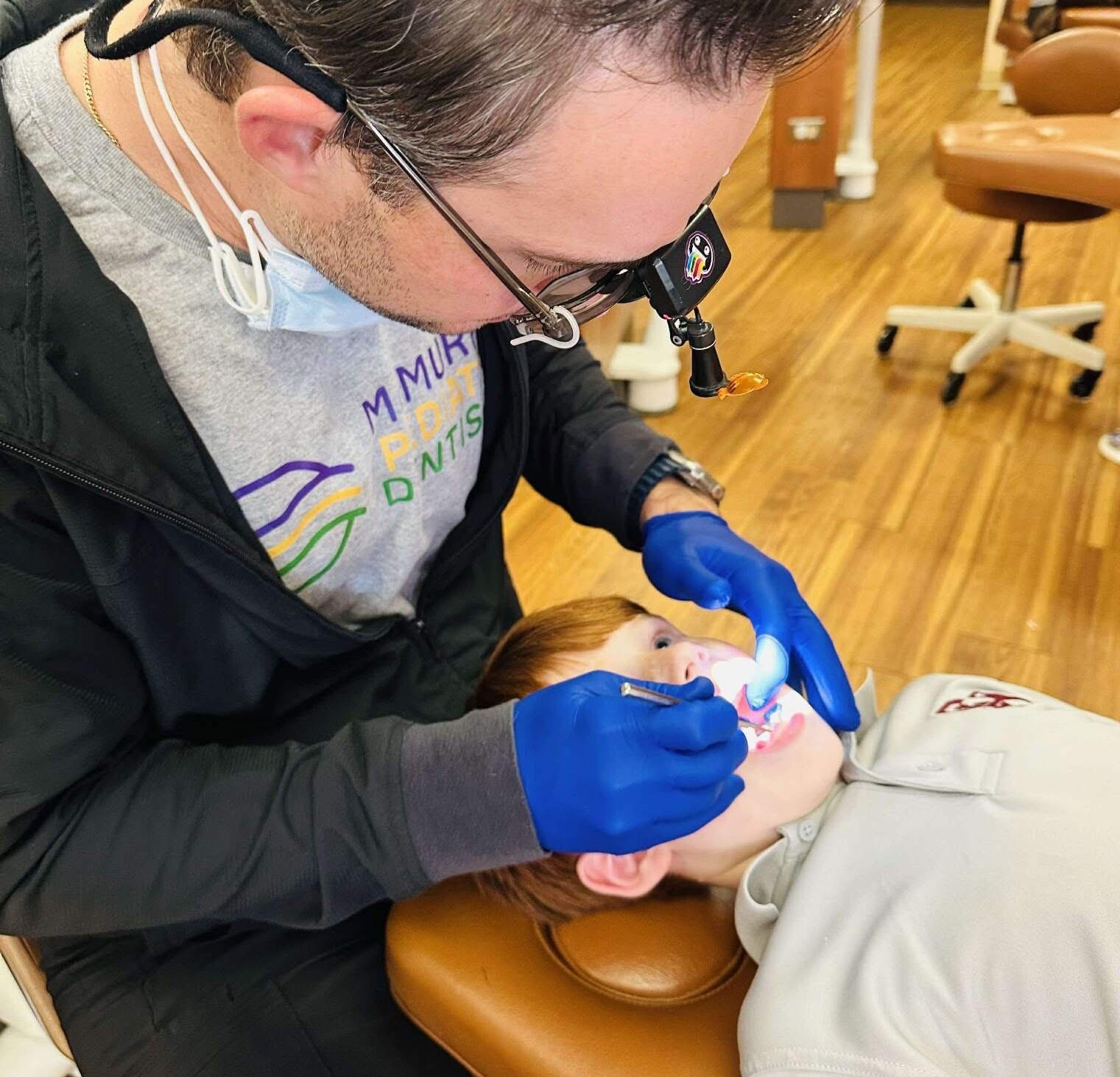 At McMurphy Pediatric Dentistry, Dr. Austin McMurphy and his team evaluate how your child breathes, sleeps, and grows. This whole-child perspective helps identify the root cause of airway challenges and guides families toward the most appropriate next steps.
Support may include:
- Growth-focused dental treatment
- Collaboration with medical or sleep specialists
- At-home guidance for healthy breathing habits
Because pediatric airway issues are so common, early awareness can help children breathe more easily, sleep more soundly, and thrive in their daily lives.
Learn More on Our Airway & Breathing FAQ Page
If you would like a deeper understanding of how airway health affects your child, we invite you to visit our Airway & Breathing FAQ page. It offers clear explanations of common parent questions and explores how breathing, sleep, and dental development are connected.
Schedule an Evaluation
If any of these signs sound familiar, or if you simply want reassurance about your child’s breathing and sleep, our team is here to help.
Contact McMurphy Pediatric Dentistry today to schedule a personalized airway consultation for your child.
