
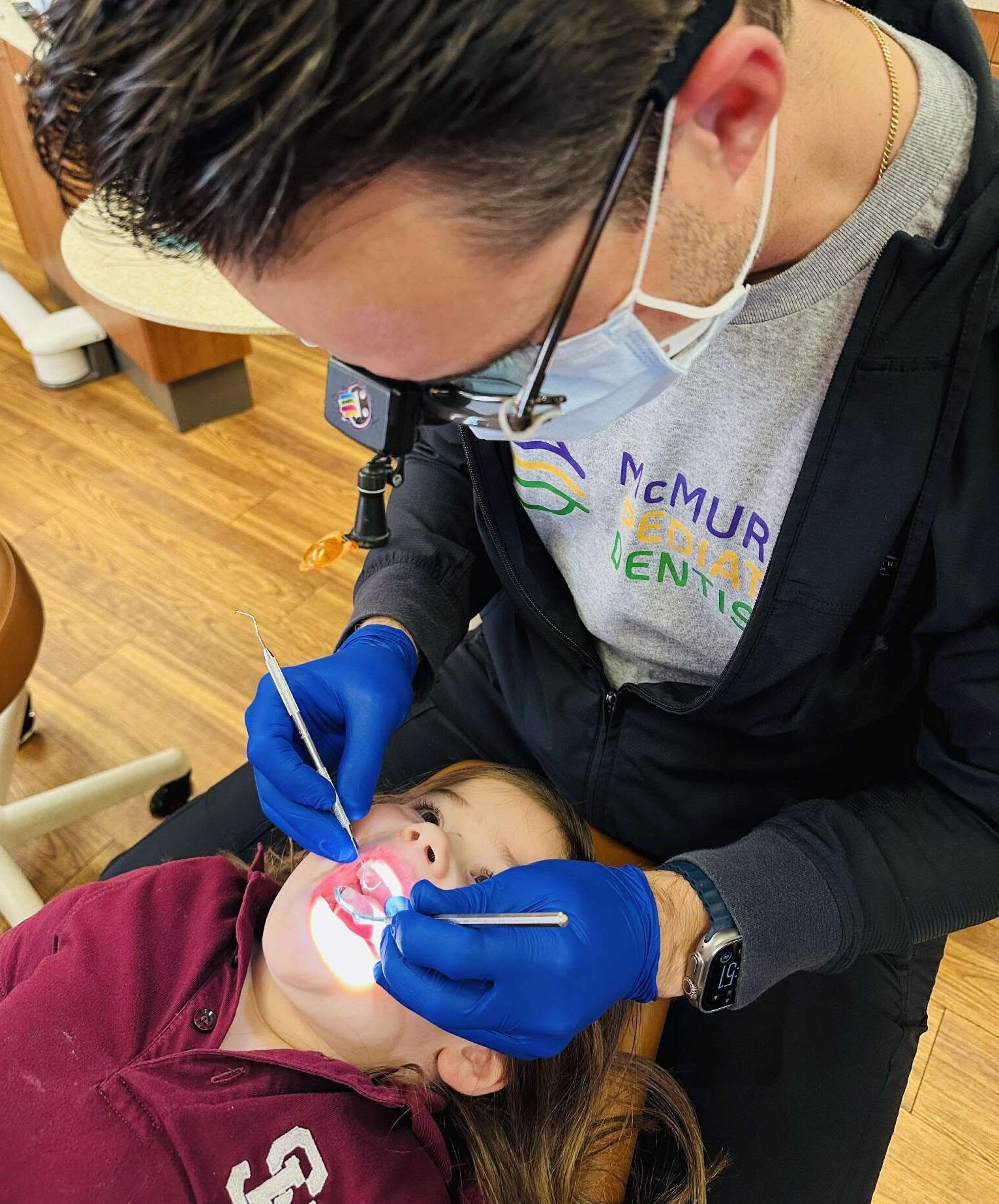

Parents may be surprised when a routine dental visit reveals a cavity. Their child did not complain of any pain and no visible sign that anything was wrong. Brushing is part of the daily routine in the home. Also, they limit sugar and keep their child’s dental appointments. So, the news can be confusing.
Understanding why kids get cavities requires looking beyond brushing alone. Tooth development, eating patterns, anatomy of teeth, and subtle everyday factors all play a role.
According to the CDC, more than half of children have experienced a cavity in their baby teeth by age eight. This statistic does not necessarily reflect poor care at home. It highlights how cavities can quietly develop and why regular dental visits are so important.
Cavities Begin Long Before a Child Feels Pain
One reason cavities catch families off guard is that early decay rarely causes discomfort. Enamel can weaken gradually, creating small areas of breakdown that are impossible to see or feel until they are more advanced.
For this reason, pediatric dentists focus on prevention and early detection. Knowing why kids get cavities means recognizing that the process often starts months before symptoms appear.
Carbohydrates Matter, Not Just Sugar
 Sugar tends to be the center of attention in regard to cavities, but it is only part of the picture. Any carbohydrate can feed cavity-causing bacteria, especially when it stays on teeth or consumed frequently throughout the day.
Foods that commonly contribute include:
- Crackers, pretzels, and bread that cling to teeth
- Dried fruit and fruit snacks
- Milk, juice, or smoothies sipped slowly
Even with regular brushing, repeated exposure to carbohydrates gives bacteria more opportunity to produce acid.
Nutrition Can Influence Tooth Strength
Brushing removes plaque, but it does not determine how strong your child’s enamel is. Enamel strength develops as teeth form and is influenced by nutrition during growth.
Key nutrients that support healthy enamel include:
- Calcium and phosphorus for structure
- Vitamin D to support absorption
- Protein for normal growth
Children may go through selective eating phases. These phases are common and sometimes temporary, but they can limit nutrients that help keep tooth enamel strong.
Tooth Shape Can Make Cleaning More Difficult
Children’s teeth can have deep grooves or narrow spaces that trap food and bacteria, making it harder to clean thoroughly. Cavities often develop first in the back molars for this reason.
Independent Brushing Takes Practice
Daily brushing does not always mean effective brushing. Children brushing on their own can miss thoroughly brushing their back teeth and along the gumline.
Most children need help with brushing longer than parents may expect. This developmental factor is a common reason why kids get cavities, even when routines are consistent.
Saliva and Seasonal Changes Play a Role
Saliva helps protect teeth by neutralizing acids and washing away bacteria. When saliva flow is reduced, cavity risk increases.
Factors that can affect saliva include:
- Dry indoor air
- Mouth breathing from congestion or allergies
- Lower water intake
These changes are subtle and easy to overlook, yet they can contribute to cavity development over time.
Baby Teeth Deserve Early Attention
Baby teeth guide adult teeth into proper position, support speech development, and allow children to eat comfortably. Cavities in baby teeth are not something to ignore.
When treated early, dental care is simpler and less stressful. Addressing concerns promptly helps protect long-term oral health and reduces the need for more involved treatment later.
Why Cavity Risk is Different for Every Child
Parents often notice that one child develops cavities while another does not. Differences can be related to:
- Enamel strength
- Tooth spacing
- Oral bacteria
- Diet patterns
- Certain medications or medical conditions
Understanding why kids get cavities requires looking at the whole picture rather than focusing on a single habit.
What We Look for During Routine Visits at McMurphy Pediatric Dentistry
During routine dental visits, Dr. Austin McMurphy and the team look beyond visible cavities. Early enamel changes, plaque patterns, and how teeth are developing often reveal risk long before discomfort appears.
These visits allow us to:
- Identify early enamel weakness
- Notice areas that are difficult to clean
- Monitor tooth eruption and spacing
- Based on what Dr. Austin sees during a dental exam, recommend preventive options such as sealants when appropriate, taking into account each child’s overall cavity risk.
Our goal is to keep care preventive, conservative, and supportive.
Understanding the Bigger Picture
Learning that your child has a cavity can feel discouraging, even when you have been attentive at home. Cavities are common in children, and there are contributing factors that are not visible without a dental exam.
Understanding why kids get cavities helps parents move forward with clarity rather than frustration. If you have questions about your child’s dental health or cavity risk, a routine dental visit is a good place to start. The team at McMurphy Pediatric Dentistry is always happy to explain what we see during your child’s exam and help you understand how to support their oral health as they grow.
